

THE ARTISTS WHO MAKE THIS MATTER.
Bridgewell Arts champions artists whose work speaks to identity, memory, belonging, and the power of culture to connect across difference. Our featured artists — Jewish, Israeli, and allies whose practice engages with these themes — have been selected for the depth of their vision and the resonance of their voice.
We invite collectors, curators, and institutions to engage directly.
Meet the ARTIST:
AMIR FATTAL
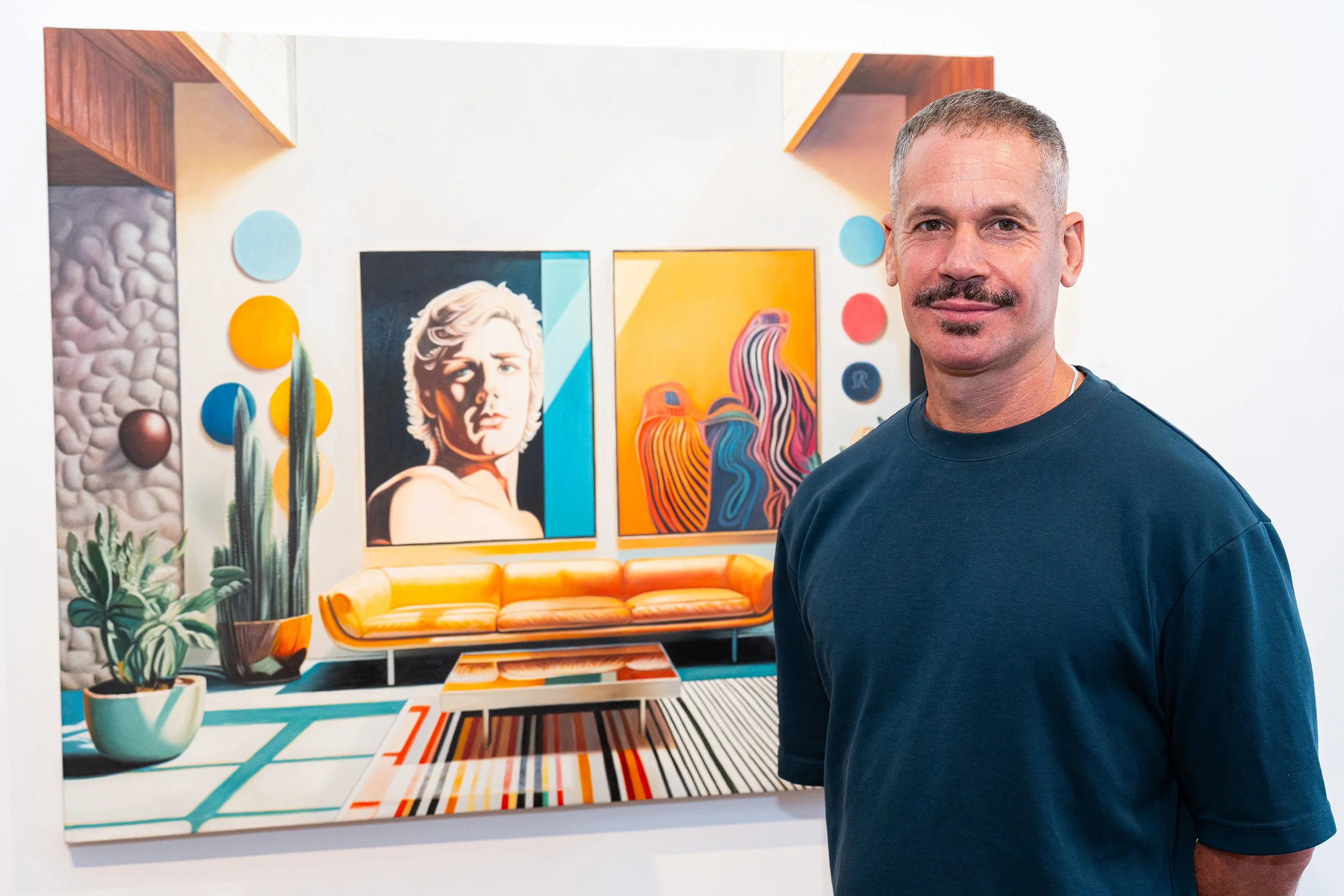
Amir Fattal (b. 1978, Tel Aviv) is a Berlin-based artist and curator working across painting, 3D printing, digital image-making, and artificial intelligence. His practice explores how new technologies are reshaping aesthetics, authorship, labor, and the production of culture in the 21st century.
Among the first artists to develop a significant body of work examining AI specifically through the language and history of painting, Fattal’s work does not simply use artificial intelligence as a tool. Instead, AI itself becomes the subject of the work. His paintings investigate what it means to create images in an era where machines can generate styles, simulate photography, imitate memory, and produce fictional realities that feel increasingly believable.
Central to his practice is the development of proprietary AI “style engines” trained on archives of paintings, sketches, photographs, and cultural references. Through these systems, Fattal explores how aesthetic language is formed, how machine learning absorbs visual culture, and how AI functions as a kind of collective visual unconscious built from millions of existing images.
His ongoing series, Post Artificial Painting, reflects these ideas most directly. Each work begins with the generation of fictional portraits and scenes created through AI systems directed and trained by the artist. The figures appear strangely familiar, elegant, self-aware, and psychologically convincing despite never having existed in reality. These digital images are then translated into physical oil paintings, where synthetic imagery becomes material, textured, and slow.
The tension between machine generation and traditional painting sits at the center of the work. Fattal uses painting not as a nostalgic return to the past, but as a way to examine the cultural meaning of AI itself. The paintings question how authenticity, originality, and artistic identity function in a moment when images can be endlessly generated, manipulated, and outsourced.
That idea of outsourcing is equally important within his process. In some works, parts of the paintings are intentionally executed by other hands. Rather than hiding this, Fattal treats it as part of the conceptual structure of the work. For him, artificial intelligence and outsourcing are two defining conditions of contemporary culture, and the paintings embody both simultaneously.
Many of the works also depict fictional artists and invented artworks, creating layered images of paintings within paintings and entire imagined artistic histories. In these works, authorship becomes unstable and fragmented: the artist trains the system, directs the image, constructs the fictional narrative, and produces the final painting, while the AI, external fabricators, and the vast archive of online imagery all become part of the process.
The result is a body of work that reflects on how contemporary images are now created collectively, technologically, and through systems that blur the line between the real and the simulated. Through painting, Fattal transforms these questions into physical objects that feel at once seductive, uncanny, and deeply connected to the visual condition of the present.
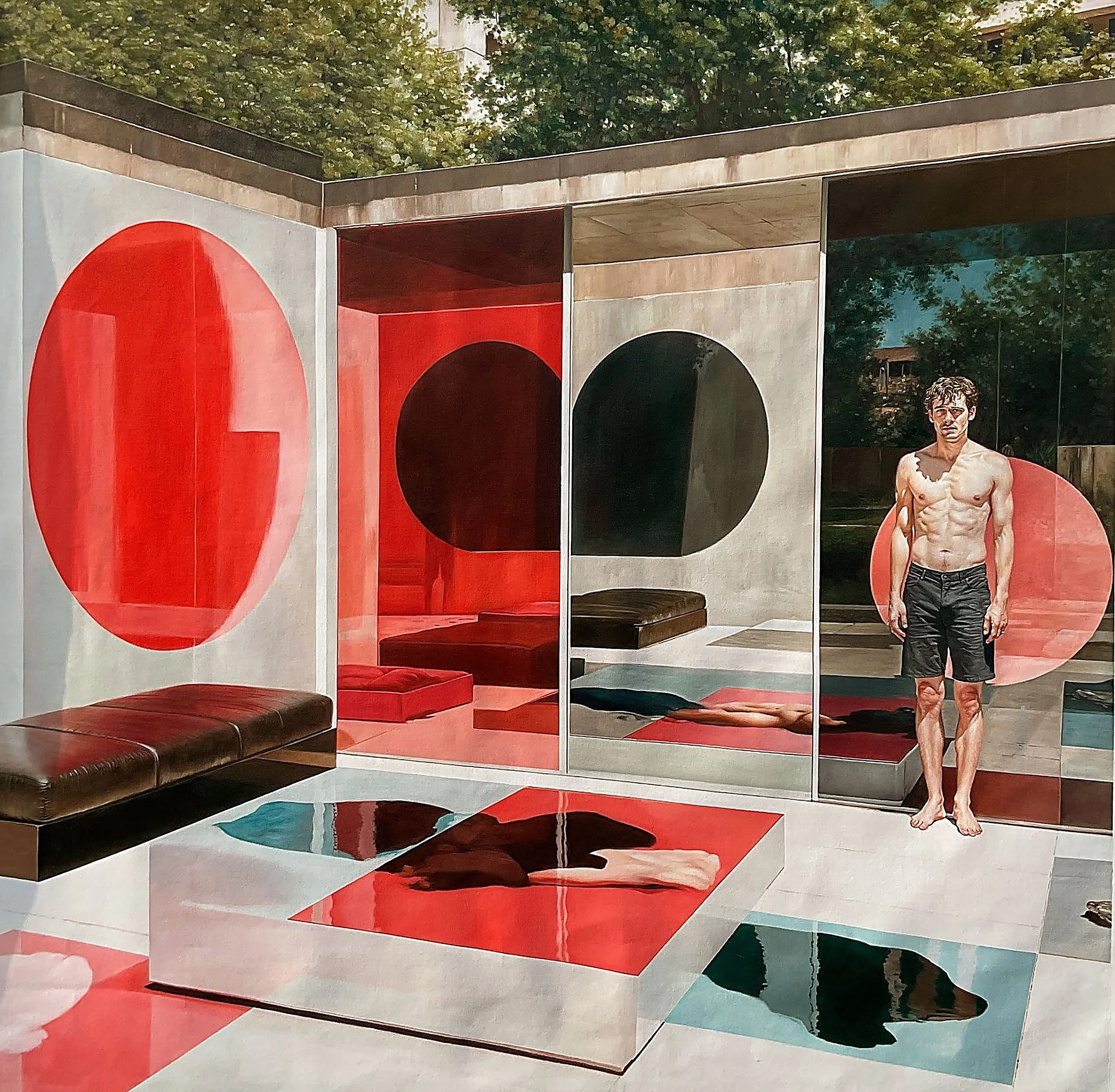
Sebastian Oil on Canvas 60 x 60 in. (150 x 150 cm) 2025
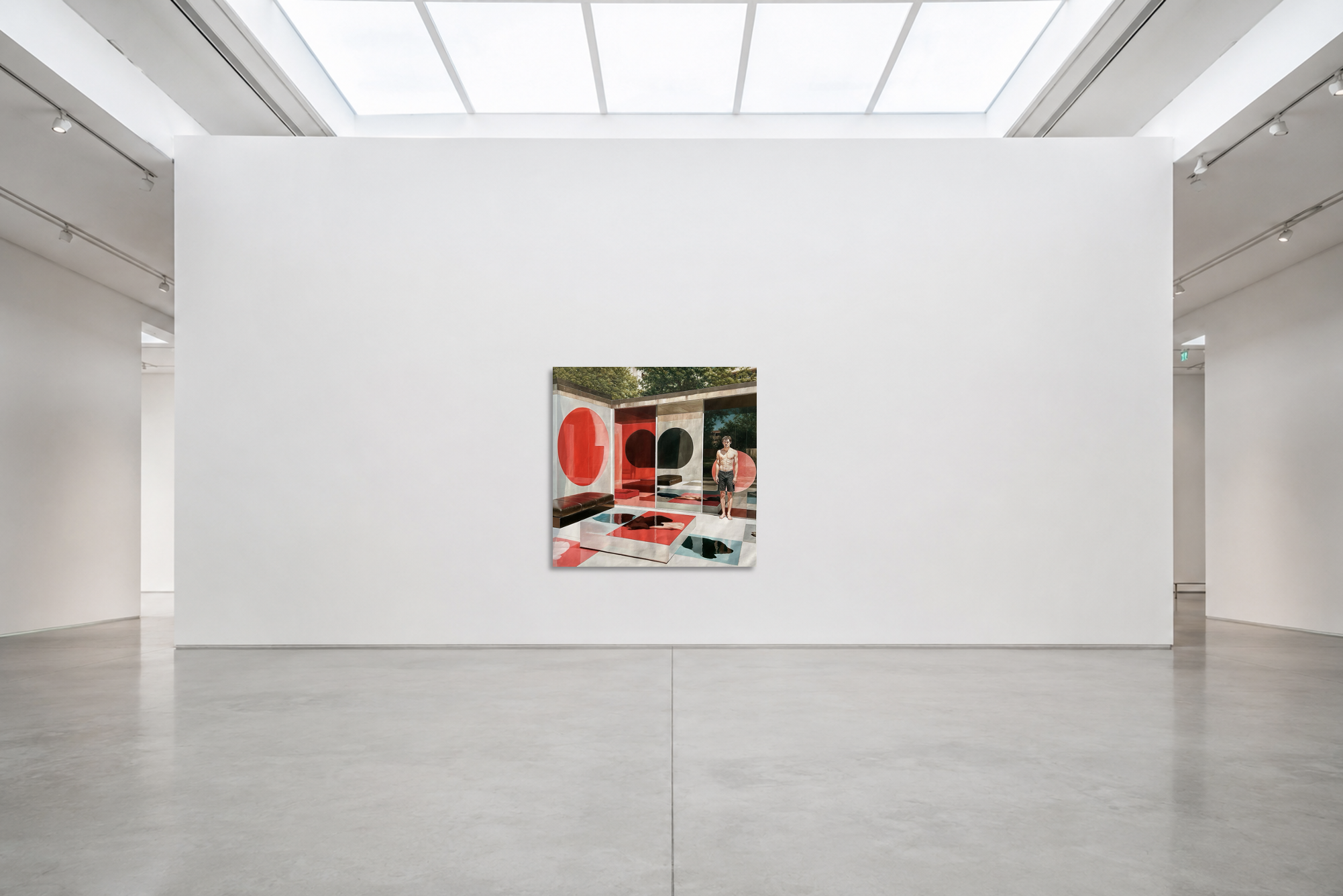
(Illustration view, not actual view, scale may be different in person)
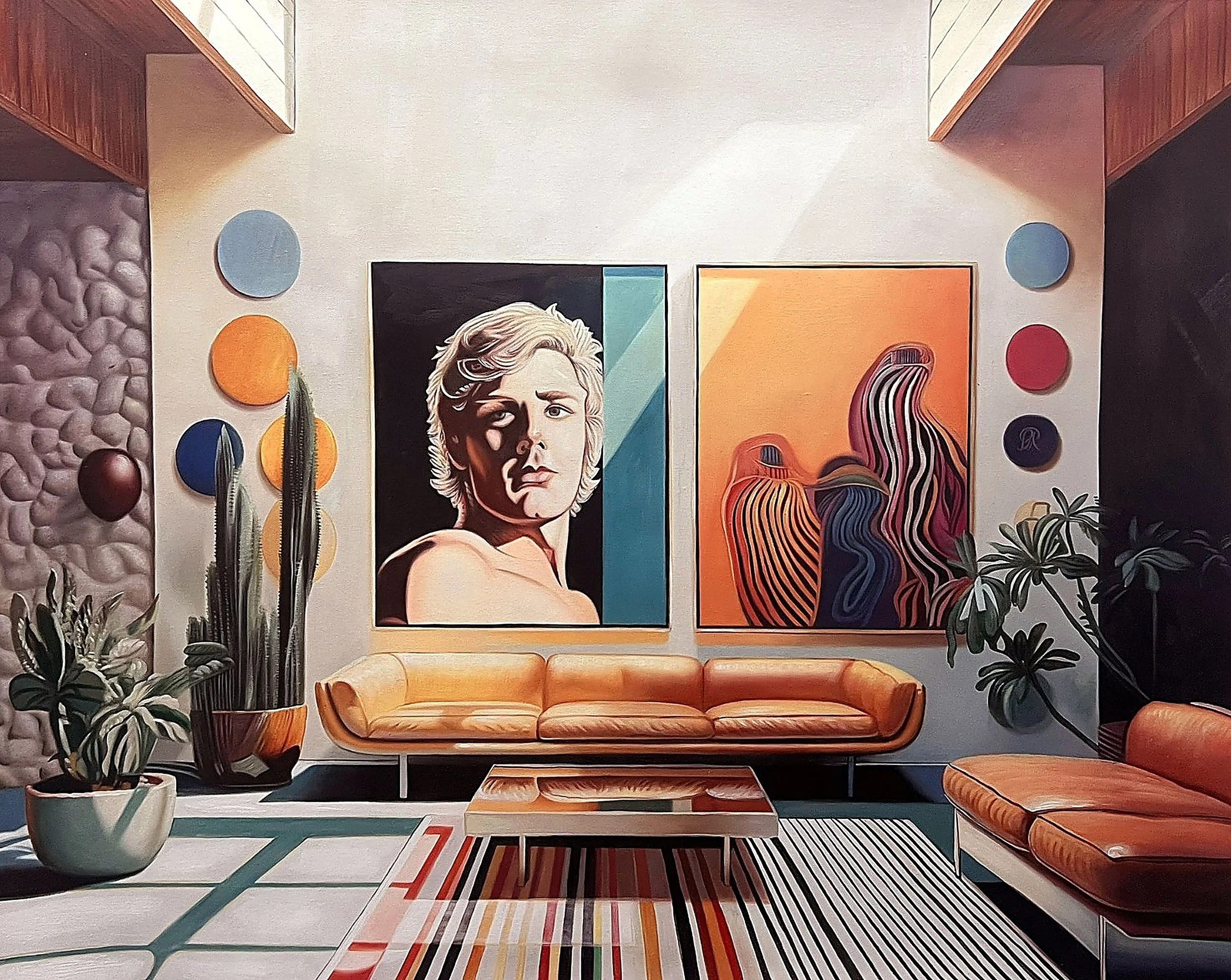
Axel’s House Oil on Canvas 40 x 32 in. (100 x 80 cm) 2023
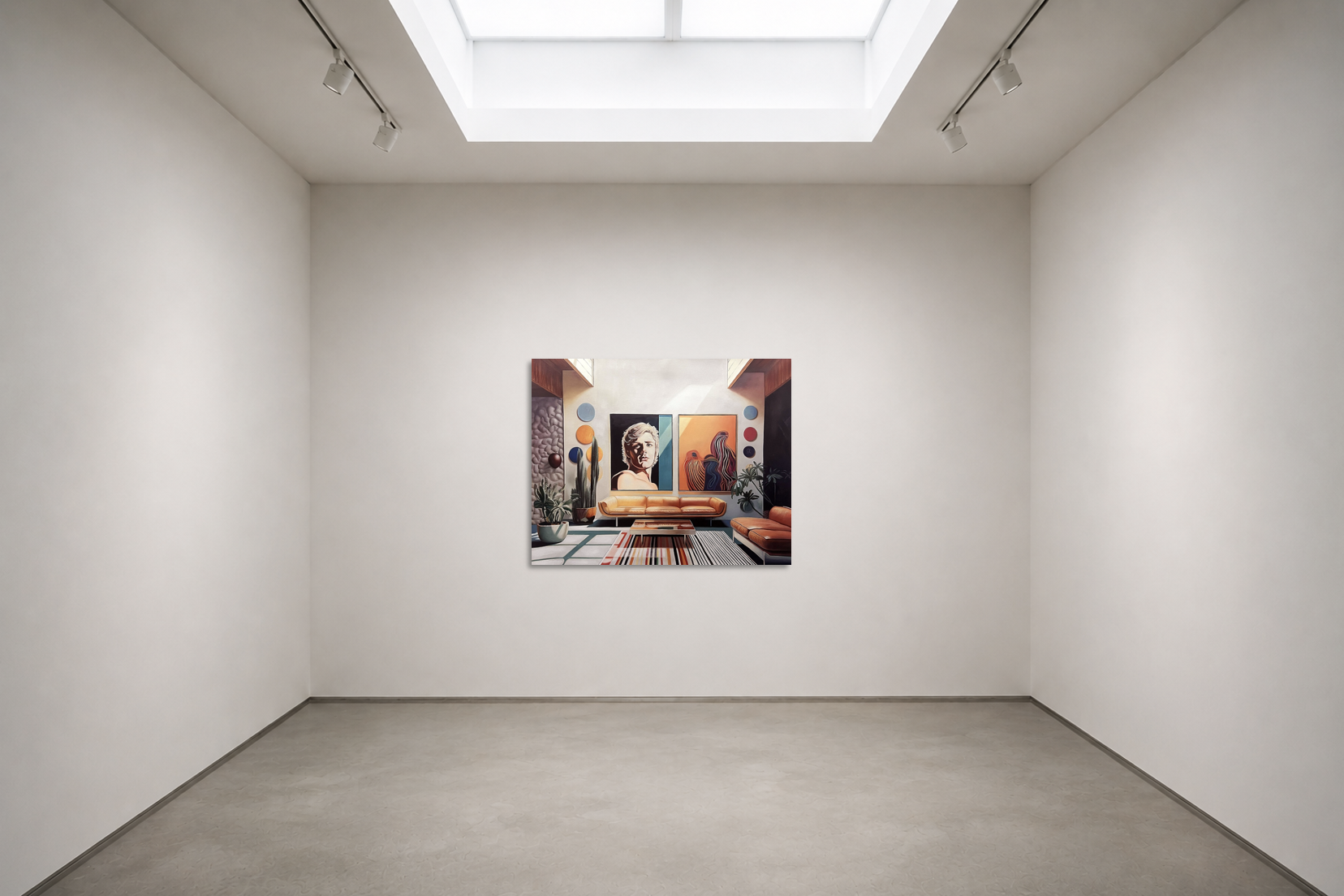
(Illustration view, not actual view, scale may be different in person)
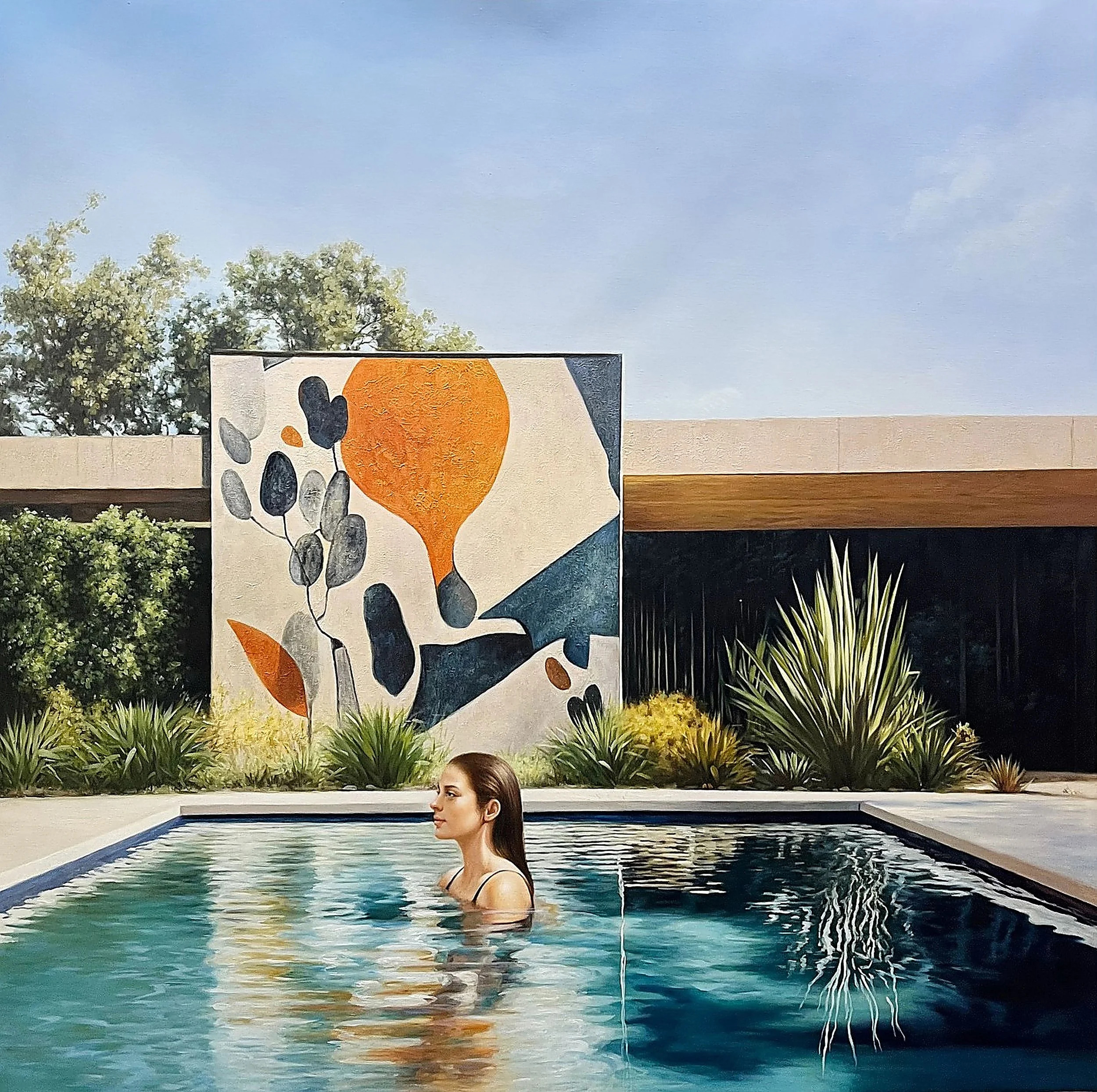
Georgina Oil on Canvas 40 x 40 in. (100 x 100 cm) 2026
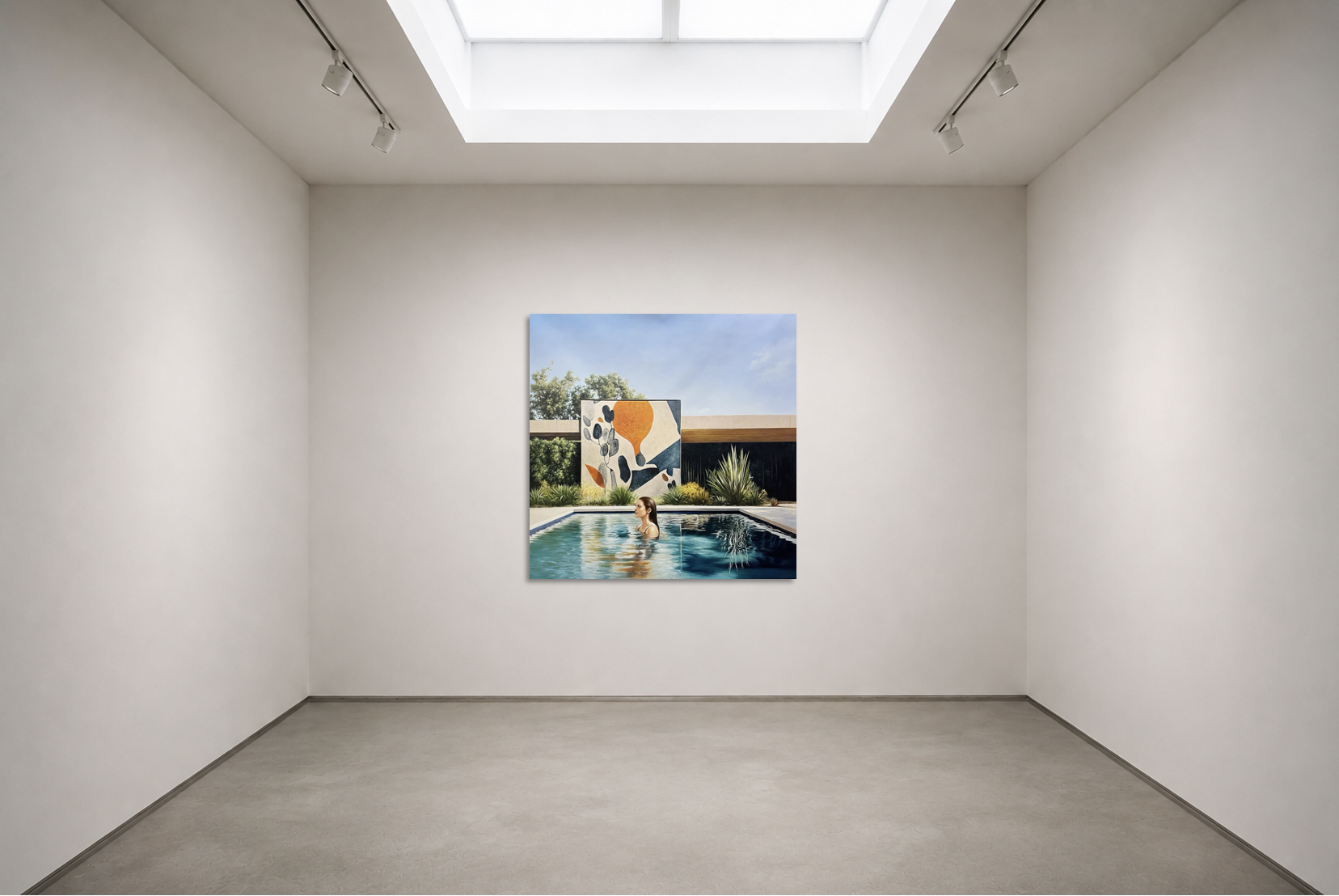
(Illustration view, not actual view, scale may be different in person)
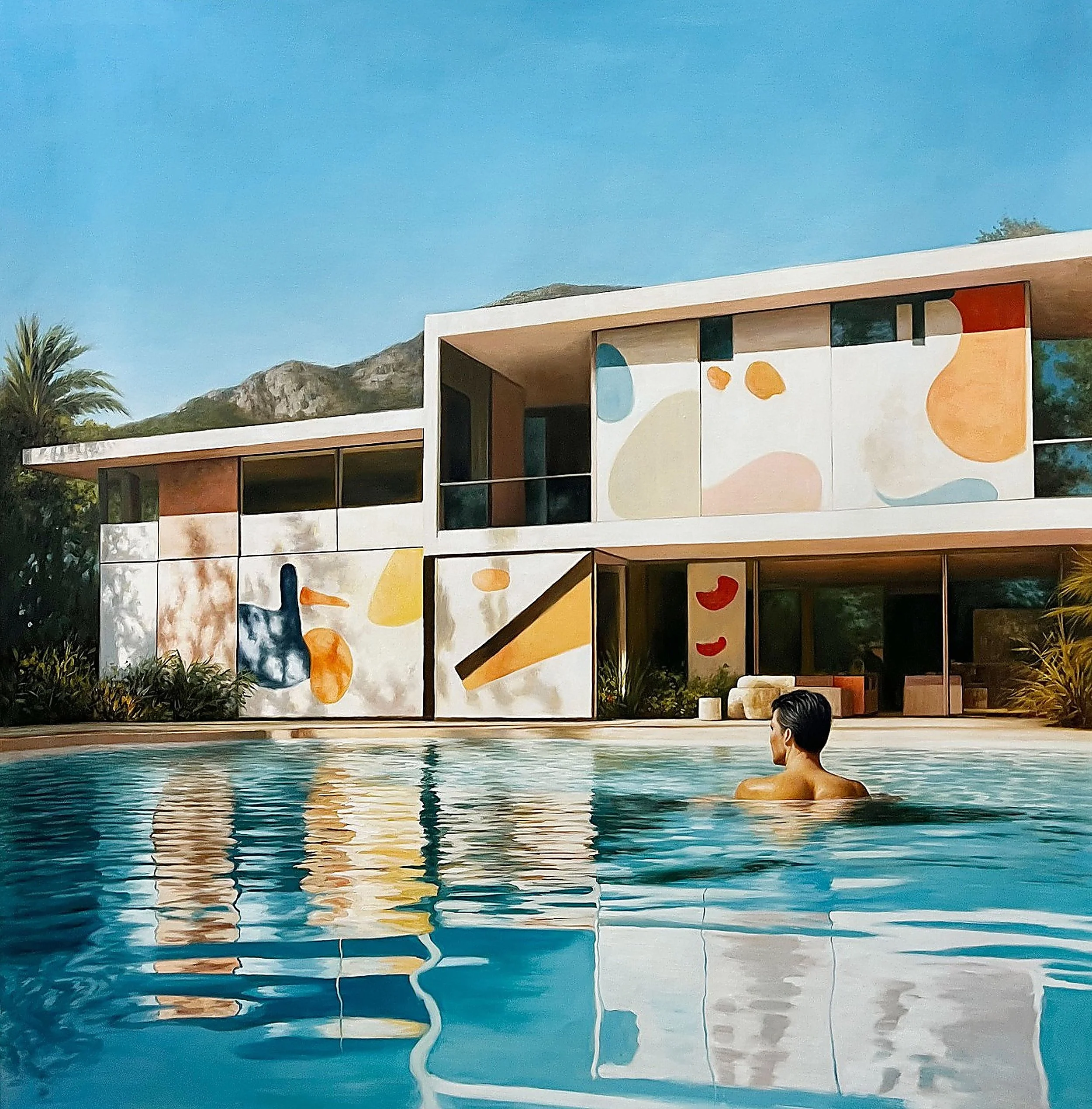
Julian Oil on Canvas 40 x 40 in. (100 x 100 cm) 2026
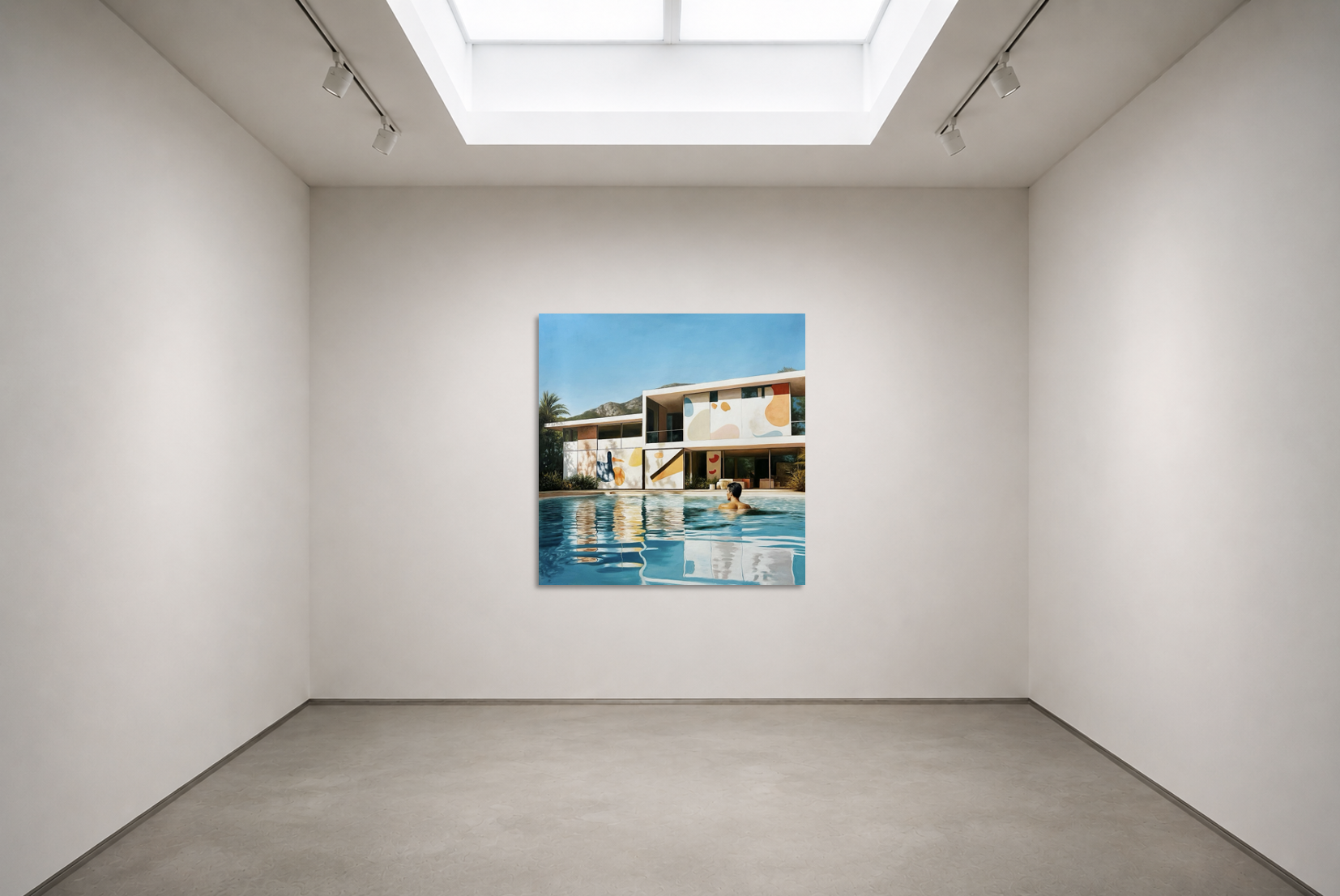
(Illustration view, not actual view, scale may be different in person)
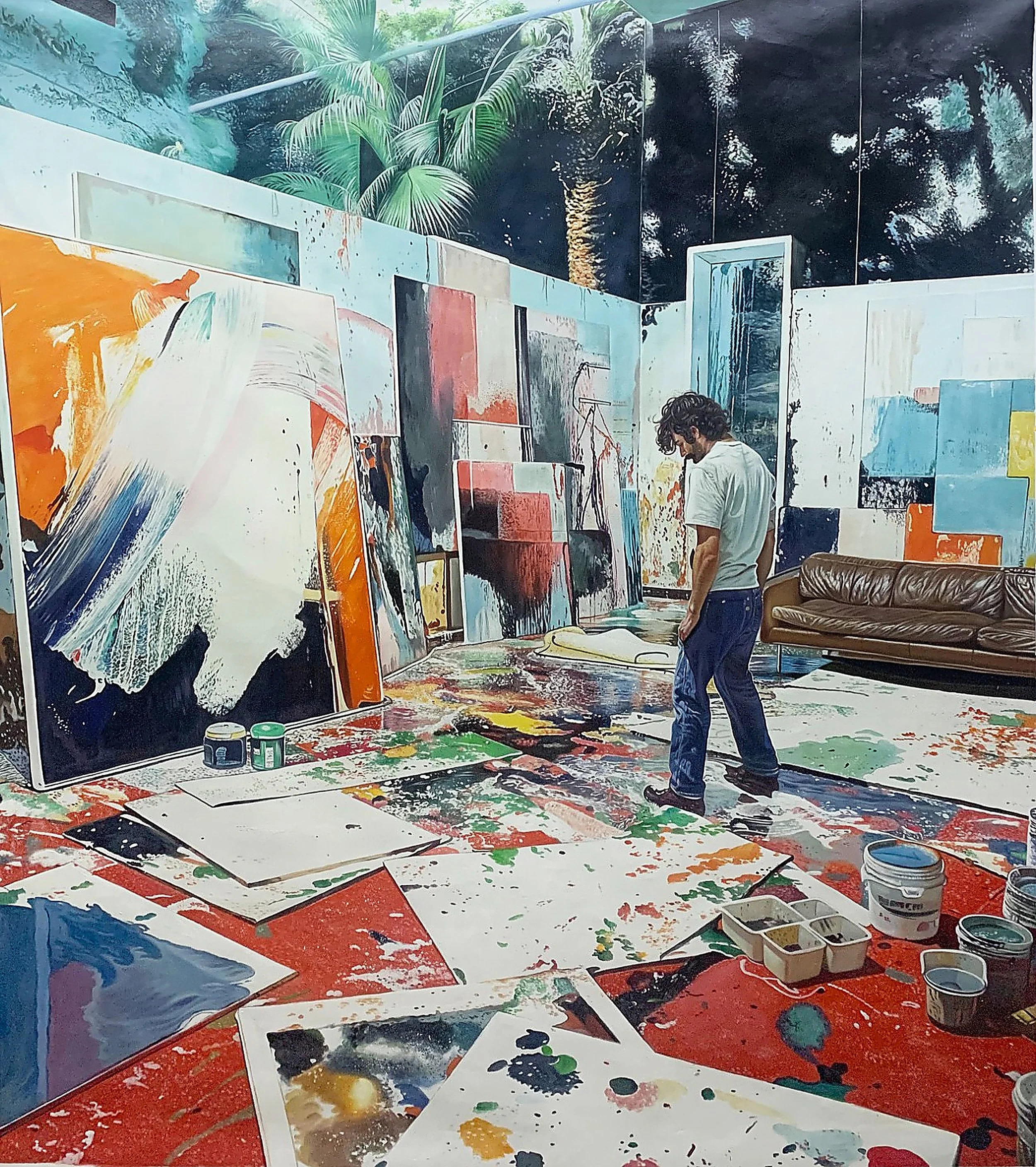
Levi Oil on Canvas 71 x 63 in. (180 x 160 cm) 2024
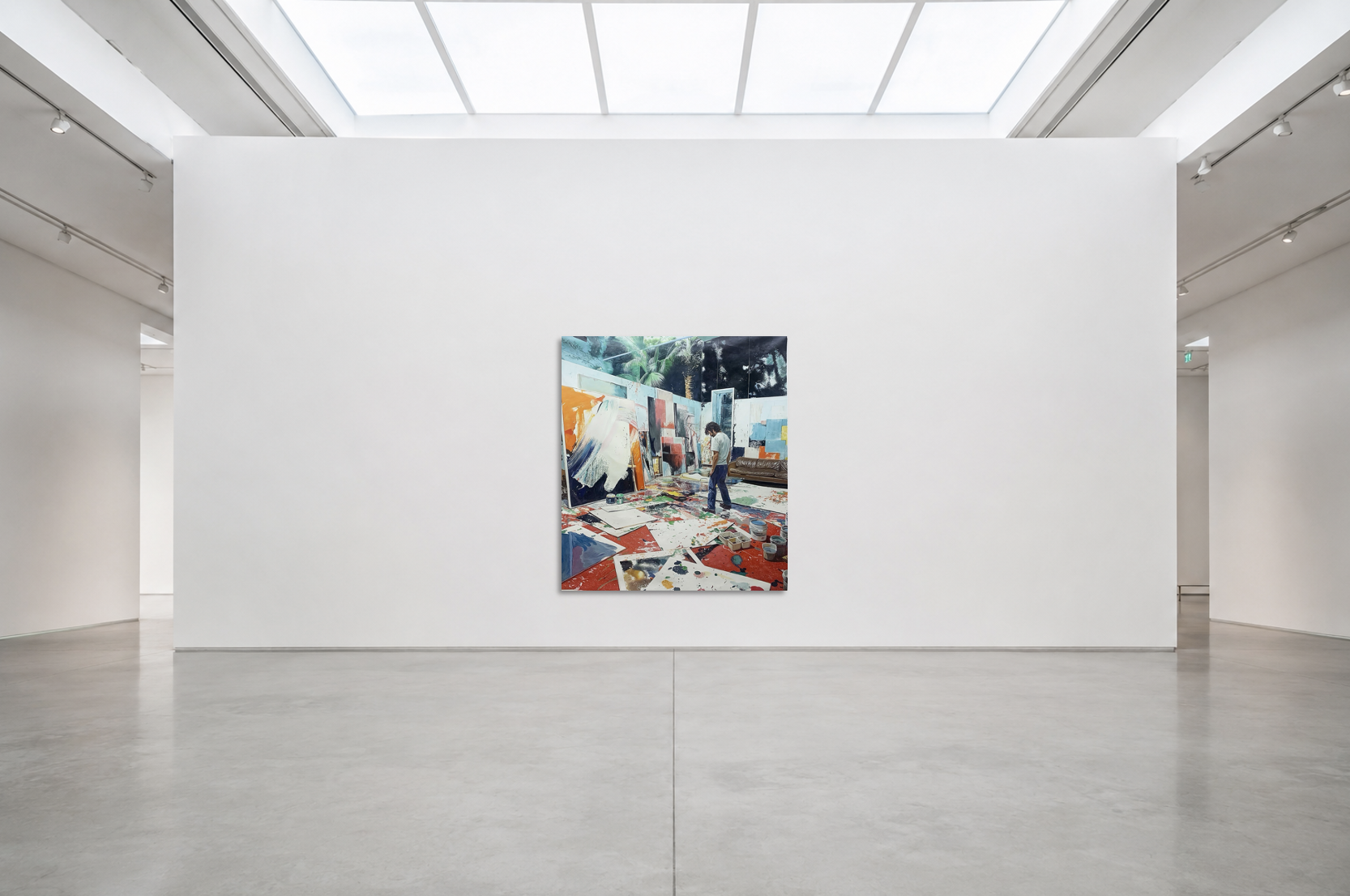
(Illustration view, not actual view, scale may be different in person)
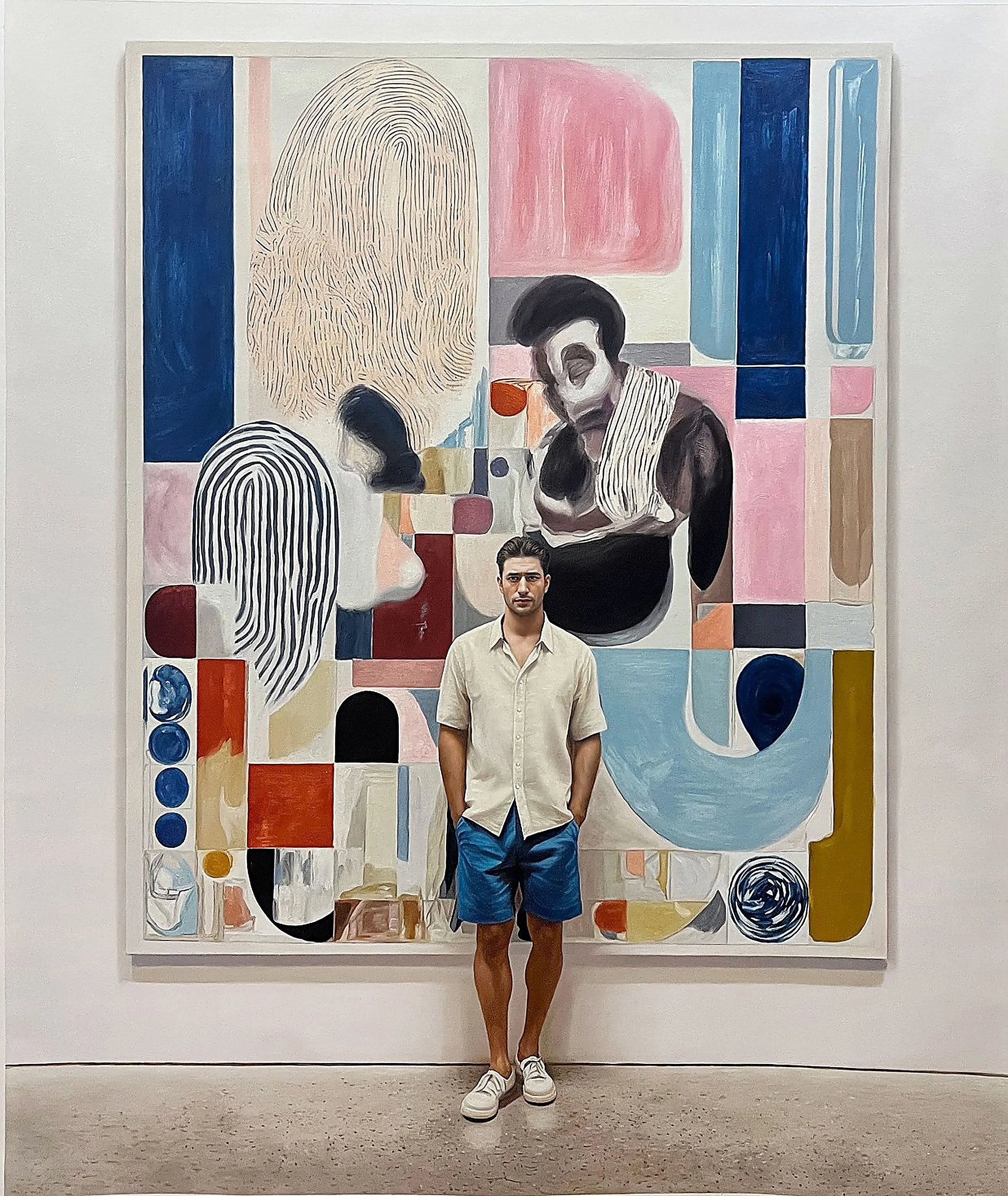
Lior standing in front of a painting Oil on Canvas 51 x 43 in. (130 x 110 cm) 2026
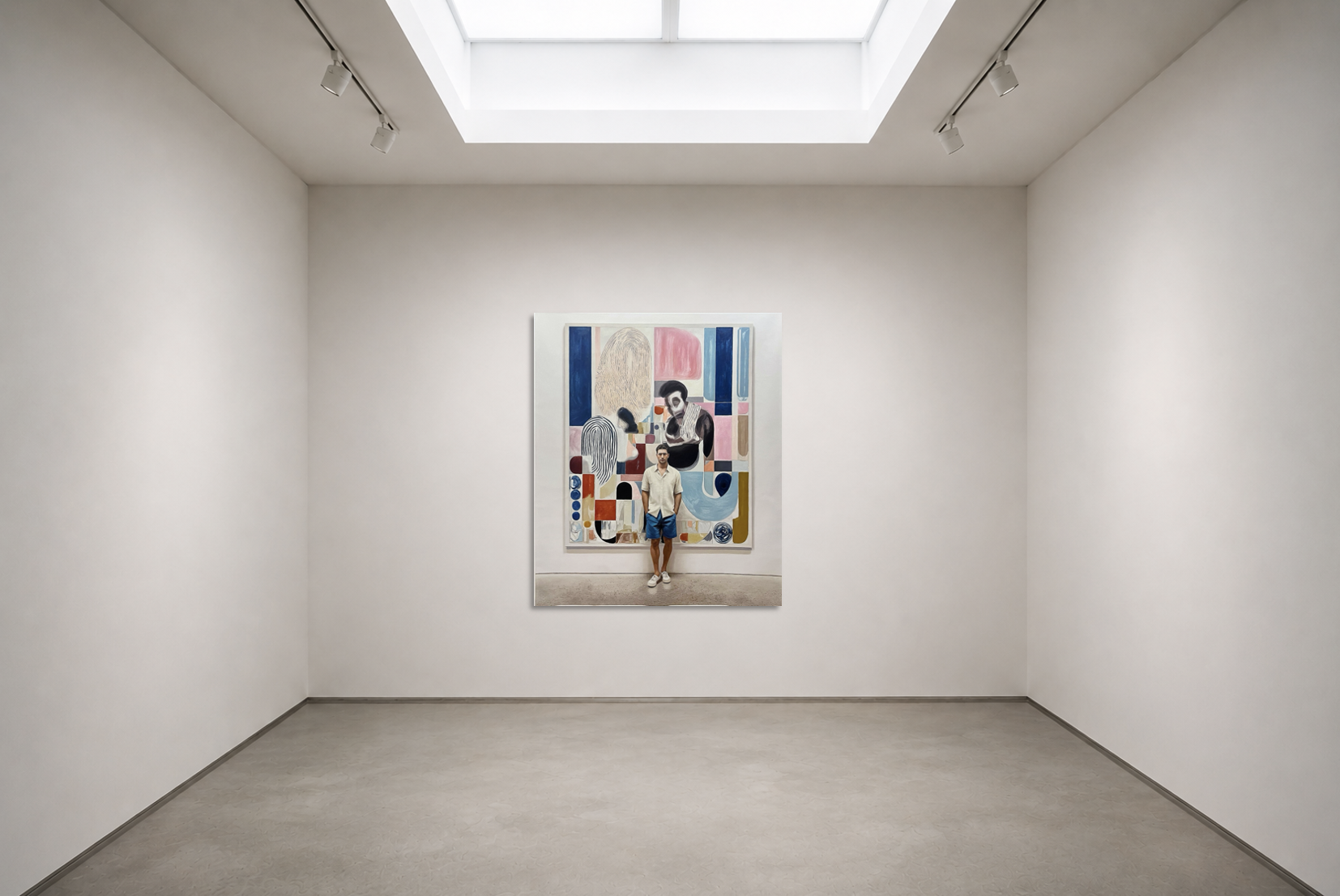
(Illustration view, not actual view, scale may be different in person)
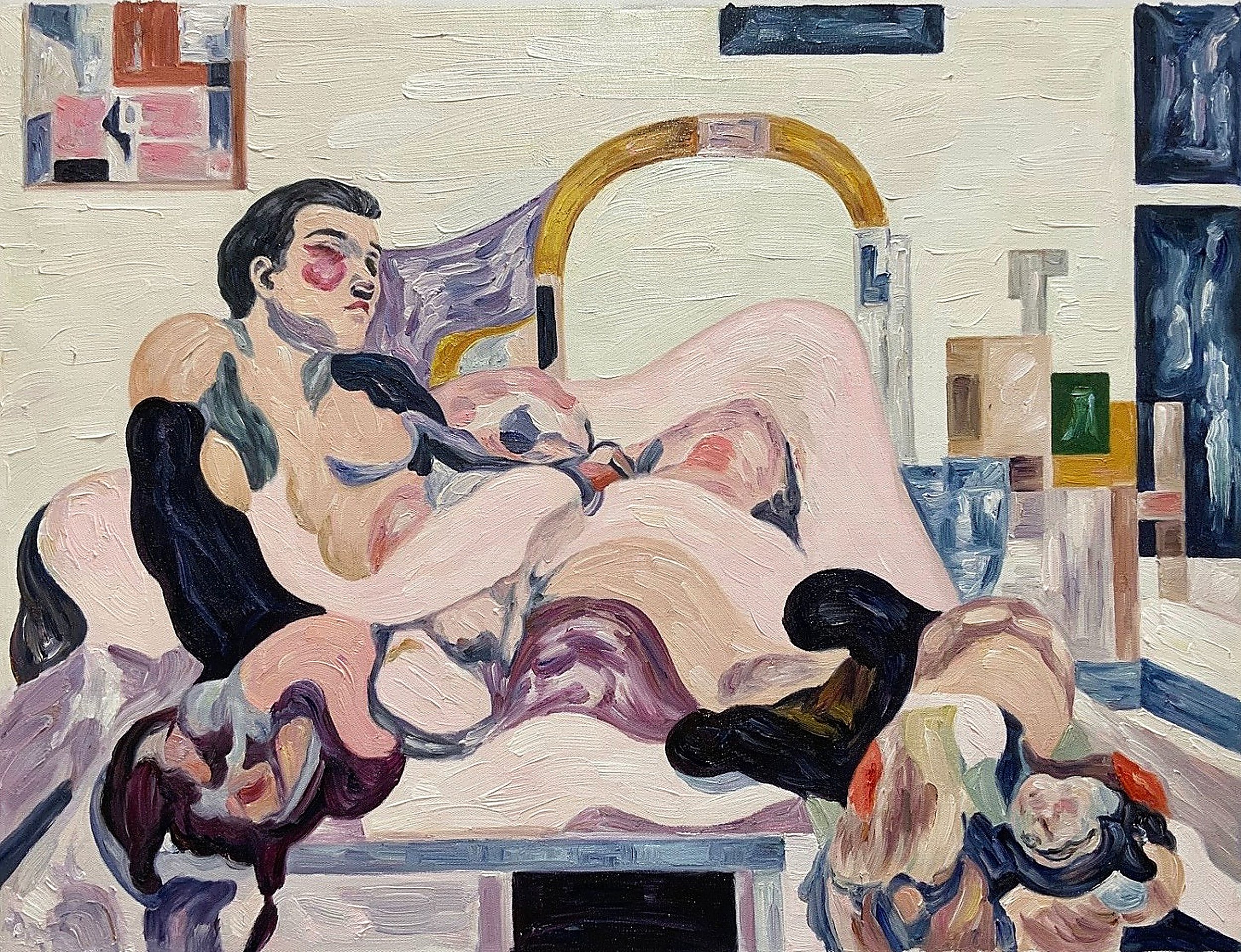
Untitled (sleeping) Oil on Canvas 30 x 40 in. (75 x 100 cm) 2026
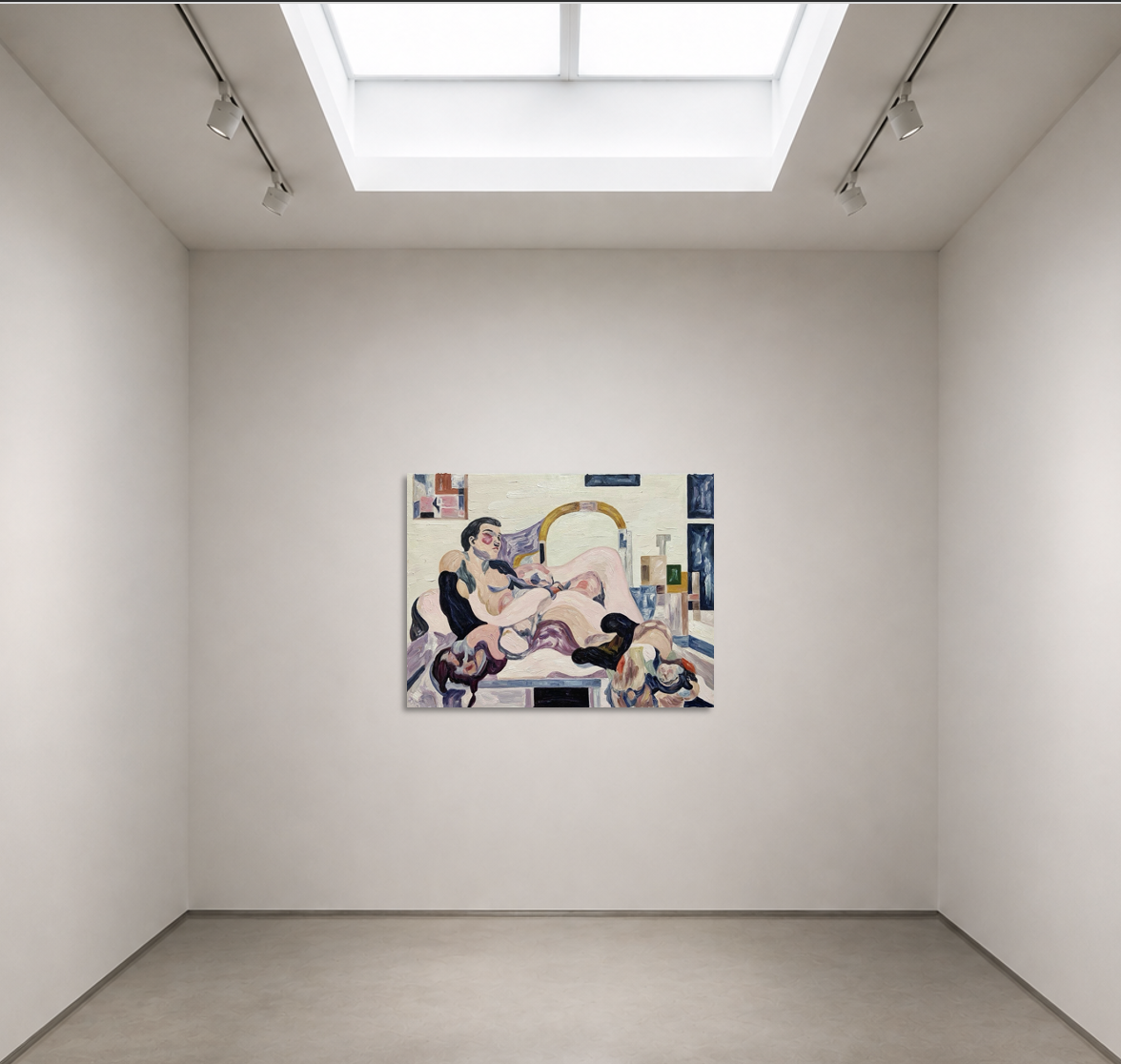
(Illustration view, not actual view, scale may be different in person)
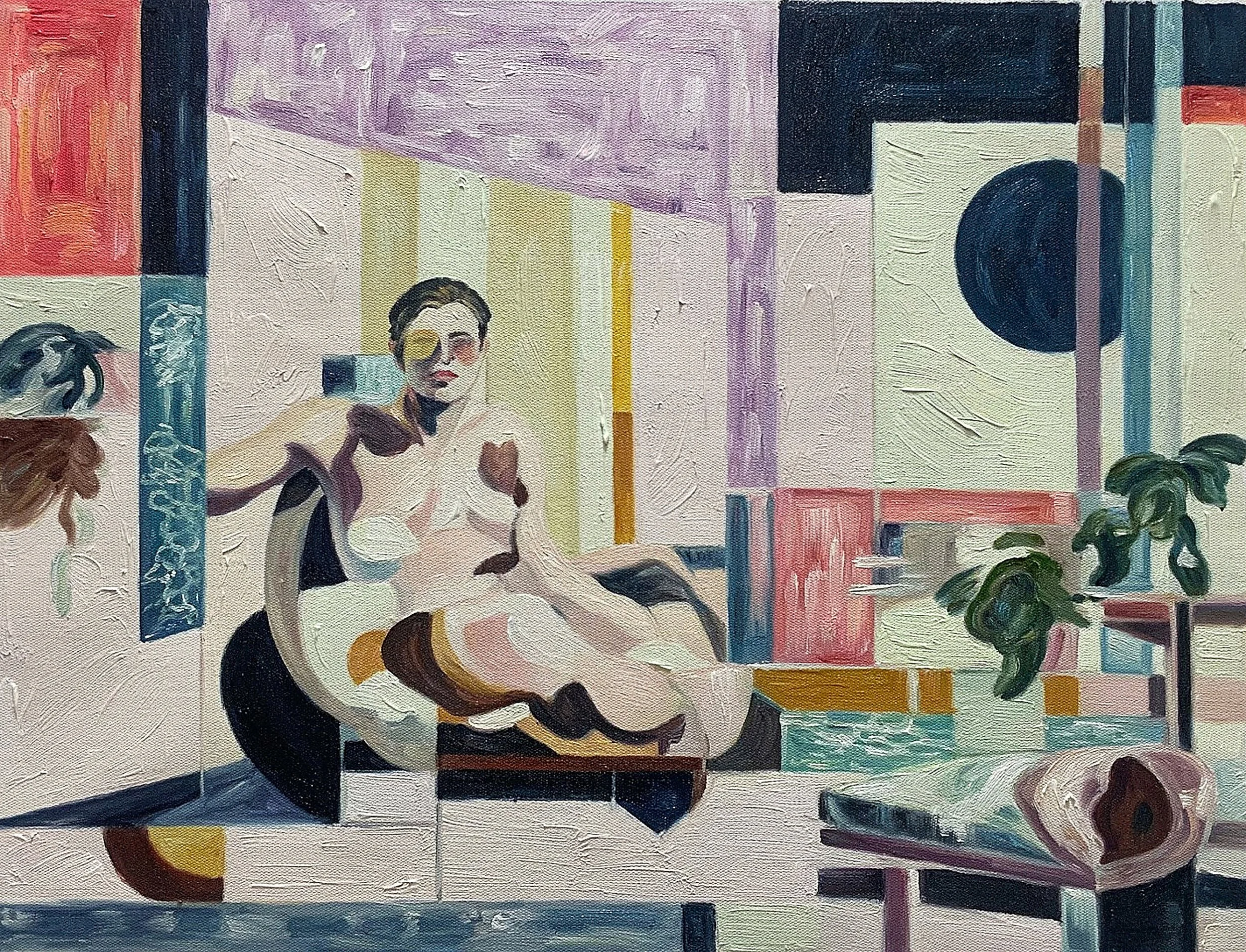
Untitled (Gazing) Oil on Canvas 24 x 18 in. (60 x 45 cm) 2026
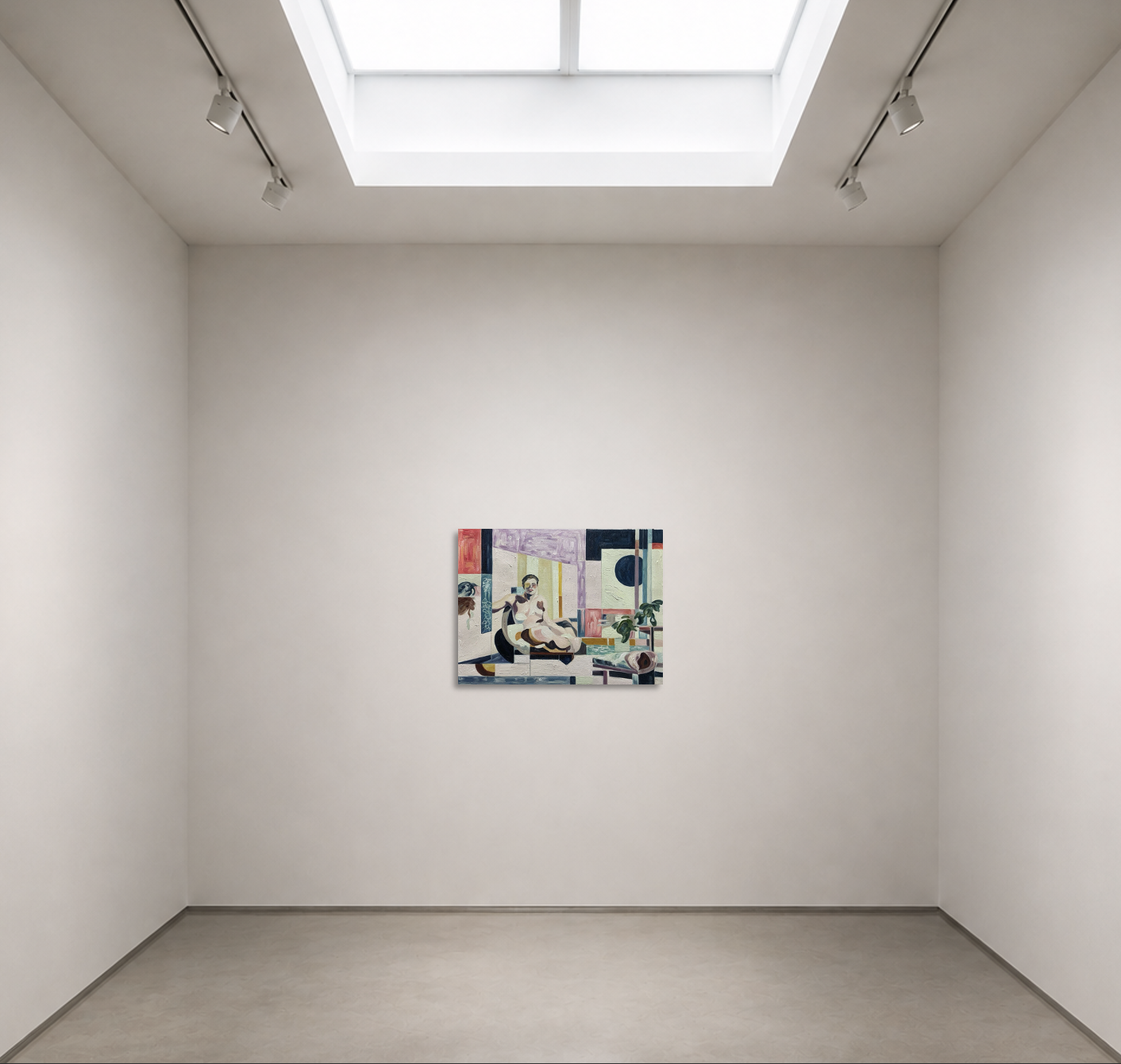
(Illustration view, not actual view, scale may be different in person)
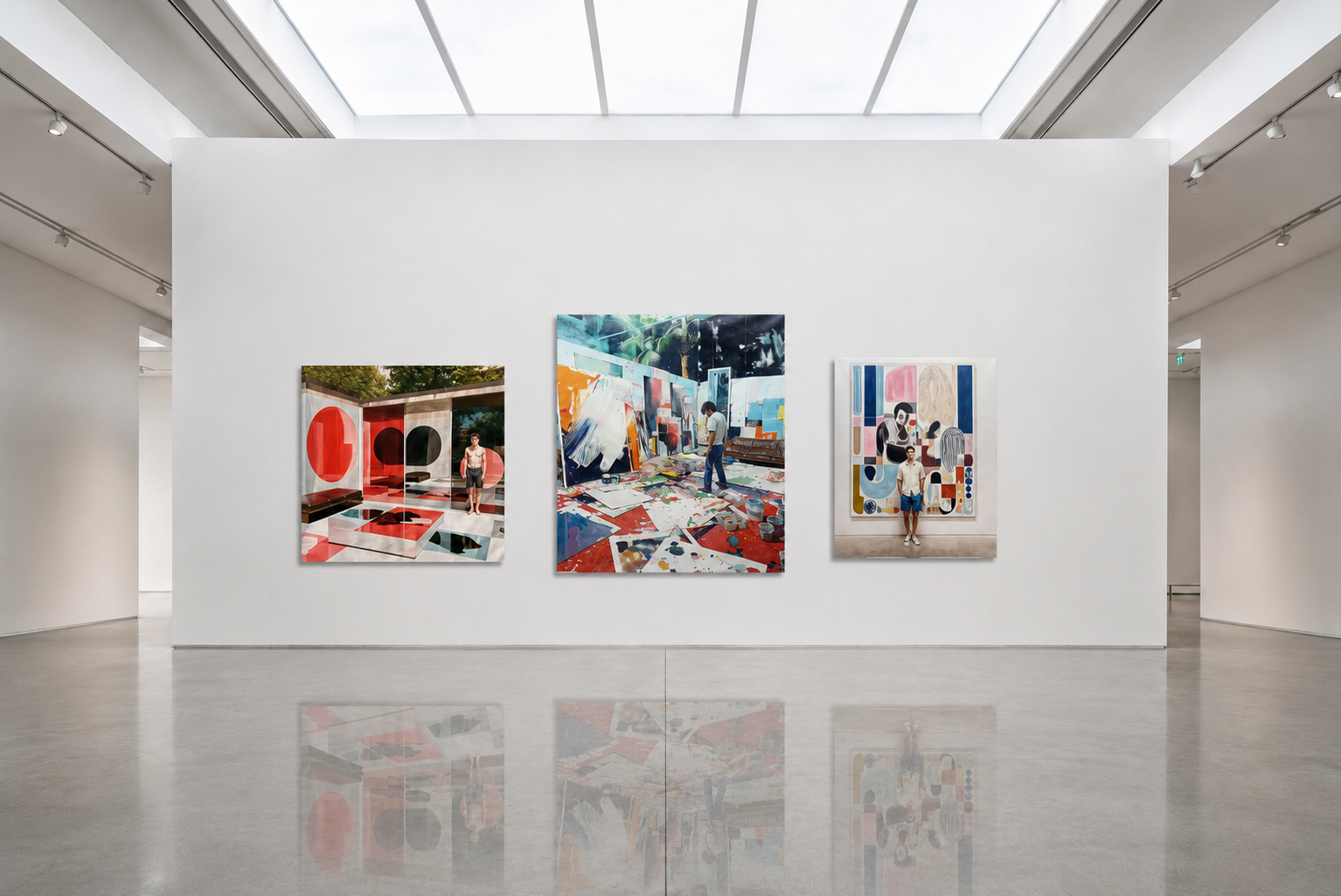
(Illustration view, not actual view, scale may be different in person)
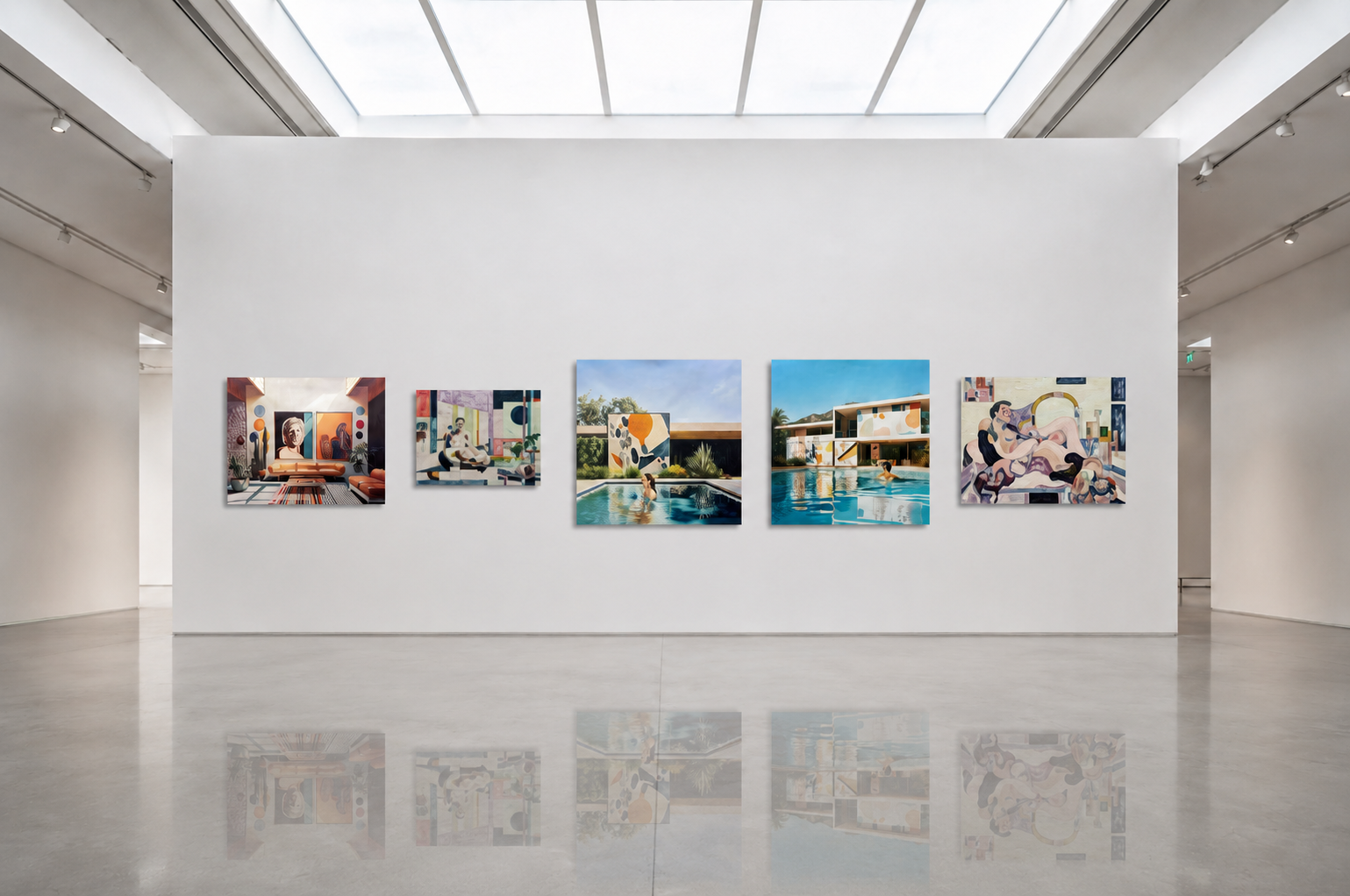
(Illustration view, not actual view, scale may be different in person)